What is Escalation of Force?
Last week I wrote about Conflict Avoidance but what happens if that isn’t feasible or just won’t work? The next course of action  is to follow an escalation of force protocol also known as the “use of force continuum.” If you have never been in the military or security industry you may have never heard of escalation of force. Don’t fret, most people haven’t and that isn’t a bad thing.
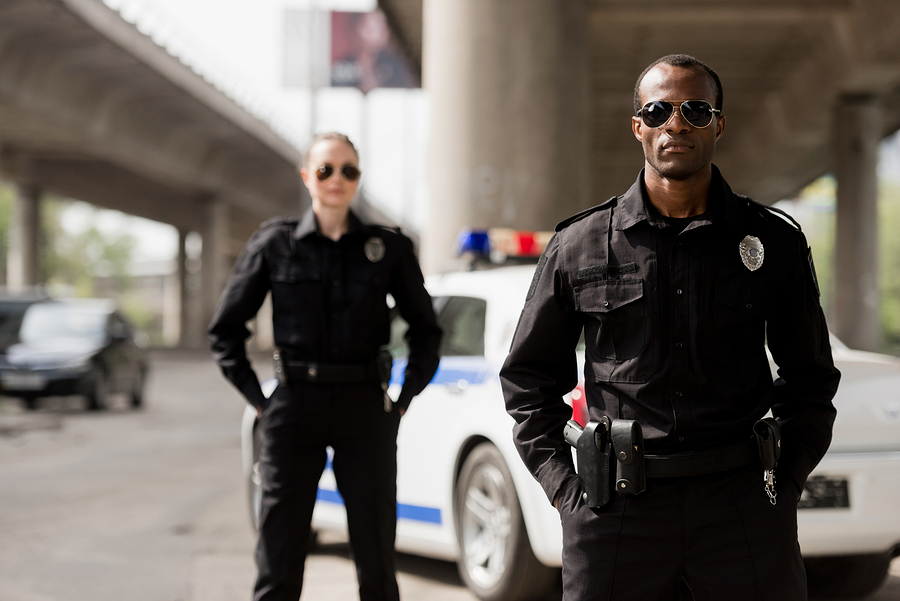
Escalation of force is the steps taken up to and including the use of deadly force. It is a standard that provides law enforcement officers and civilians with guidelines on how much force may be used against a resisting subject in a given situation.
Various criminal justice agencies have developed different models of the continuum, and there is no universal or standard model. Detailed below is the standard model that Nationwide Investigations & Security, Inc. teaches our security officers.
Is your security system up to date? Get a free quote from our professionals today.
Subject Classification
The first step is to determine what classification the individual is to determine what level of force is authorized. This takes time and training to learn to recognize and understand the situations. There are 4 classifications as follows:
- Passive Compliant – a person who recognizes the authority of the officer’s presence and follows the verbal commands of the officer.
- Passive Resistor – a person who refuses to follow the verbal commands of the officer but does not resist attempts by officers to take positive physical control over them.
- Active Resistor – a person who does not follow verbal commands, resists attempts by the officer to take positive physical control over them and does not try to inflict harm on the officer.
- Active Aggressor – a person who does not follow verbal commands, resists attempts by the officer to take positive physical control over them and attempts to cause harm to the officer or others.
Use of Force
The escalation of force model has 5 levels.
- Professional: This is simple and is used on a cooperative person. This includes tactics such as a security escort off the premises.
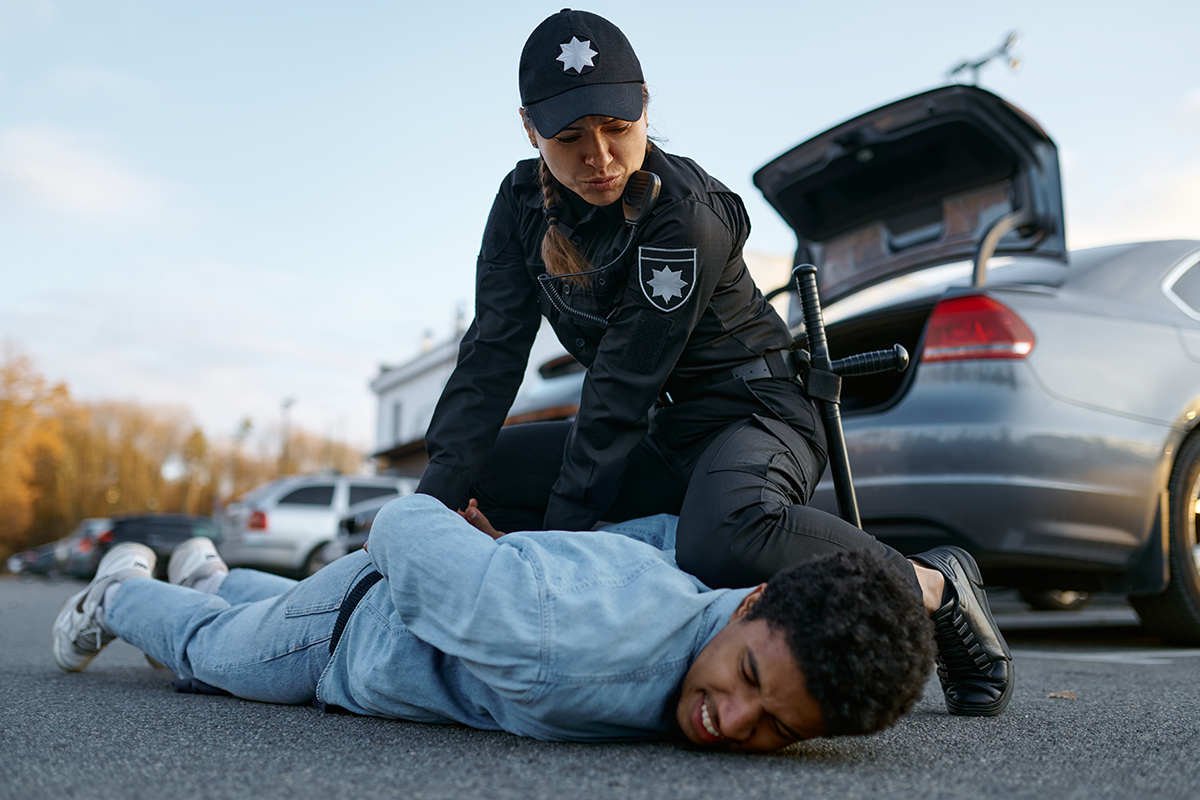
- Resistive: This is also simple and used on a passive resistor. This includes tactics such as the use of bare hands to guide, hold, and restrain.

Use of Force Model - Threshold: This is used on active resistors. This includes tactics such as kicks, punches or other striking techniques to restrain the subject
- Harmful: This is is used on active aggressors. This includes tactics such as less-lethal weapons like pepper spray, batons, and tasers.
- Lethal: This is used on active aggressors who intent to maim or kill. This is the use of firearms.
Caution!
These techniques should not be taken lightly. Training is required before attempting to take any of these steps. If you are not trained and do not have a security officer or somebody who is trained in case of an emergency, call the police. Do not attempt to take matters in your own hands!
Need trained security officers or other security-related services/products? Don’t hesitate to contact us today. We are available 24/7. Although our corporate headquarters is located in Houston, TX, Nationwide Investigations & Security, Inc. provides security services throughout the United States. If you have questions, give us a call at 1-800-210-0182.